



Los modelos predictivos basados en IA permiten analizar grandes volúmenes de datos, descubrir patrones ocultos y generar estimaciones precisas incluso en sistemas complejos o inciertos. Estos métodos además integran fuentes de datos heterogéneas, simulan escenarios, evalúan intervenciones hipotéticas y automatizan flujos de trabajo analíticos, ampliando las capacidades para la investigación, el diagnóstico, la optimización y la monitorización en entornos diversos.
Identifica patrones, dependencias y relaciones ocultas en los datos, proporcionando una comprensión cuantitativa de cómo se influyen y conectan las variables dentro del sistema.
Los modelos predictivos permiten tanto analizar las causas probables de un fenómeno (diagnóstico) como anticipar su evolución futura bajo múltiples escenarios (pronóstico).
Los enfoques probabilísticos, especialmente las redes bayesianas y otros modelos basados en inferencia estadística, permiten incorporar incertidumbre de forma explícita, generando predicciones más fiables y transparentes.
Tecnologías como Machine Learning, Deep Learning y Structure Learning permiten que los modelos mejoren su rendimiento a medida que incorporan nuevos datos, sin necesidad de rediseños manuales.
Redes neuronales y otros modelos entrenables son capaces de capturar dinámicas altamente complejas, detectar relaciones no lineales y representar fenómenos que los métodos tradicionales no pueden modelar adecuadamente.
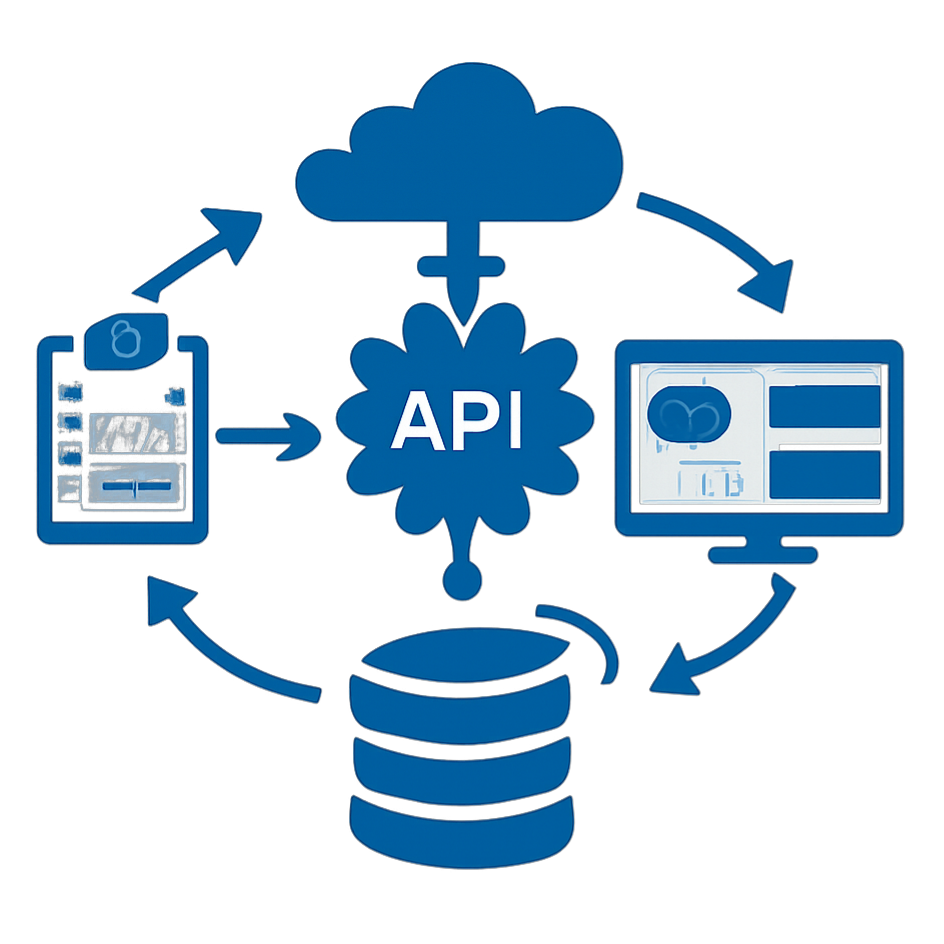
Integración con pipelines automatizados que permiten recalcular estimaciones y generar alertas basadas en nuevos datos de forma continua. Soluciones listas para implementar mediante APIs, dashboards interactivos y servicios en la nube, facilitando su integración en entornos industriales, científicos, clínicos o empresarial.
| Modelo | Qué es | Para qué sirve |
|---|---|---|
 Redes Bayesianas
|
Modelos probabilísticos que describen cómo unas variables influyen en otras y cómo se propaga la incertidumbre. |
|
 Redes Neuronales
|
Modelos de aprendizaje automático que descubren patrones complejos directamente a partir de los datos. |
|
 Modelos entrenables
|
Modelos avanzados que aprenden de los datos y se adaptan automáticamente con el tiempo. |
|
 Integración y despliegue
|
Soluciones listas para producción que integran los modelos en sistemas reales. |
|
Los modelos predictivos basados en IA van más allá de los enfoques bayesianos o neuronales y pueden captar relaciones complejas sin estructuras explícitas. Destacan los Random Forest y otros métodos de ensamble, que combinan múltiples árboles de decisión para obtener predicciones robustas y resistentes al ruido, junto con algoritmos como Gradient Boosting, Support Vector Machines o k-Nearest Neighbors entrenados mediante Machine Learning.
Estos algoritmos equilibran interpretabilidad, rendimiento y capacidad para gestionar datos heterogéneos, por lo que actúan como alternativas eficaces o complementarias para el análisis predictivo y el descubrimiento de conocimiento en una amplia variedad de sectores.
Si estás interesado en obtener más detalles sobre los modelos predictivos que implementamos, por favor contáctanos en biotechvana@biotechvana.com para valorar una solución hecha a medida para tu proyecto.
Contáctanos