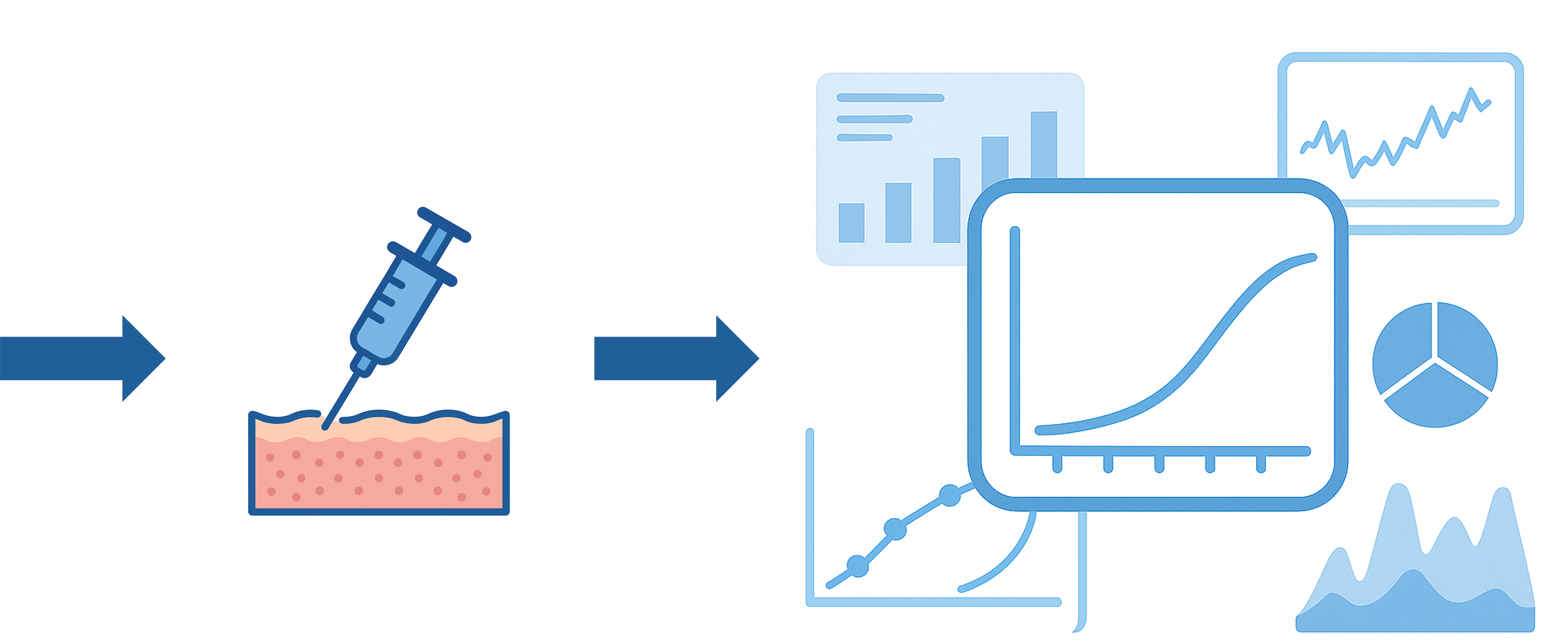
The in silico digitalization of real-world scenarios through digital twins and advanced simulations makes it possible to understand the internal dynamics of any system under study and predict its behaviour over time. These tools enable the evaluation of how a system evolves under natural conditions or how it responds to any induced intervention, going beyond the limitations of conventional predictive models. This facilitates the optimization of experiments, resource savings and the generation of predictive knowledge in many areas of life sciences and beyond.
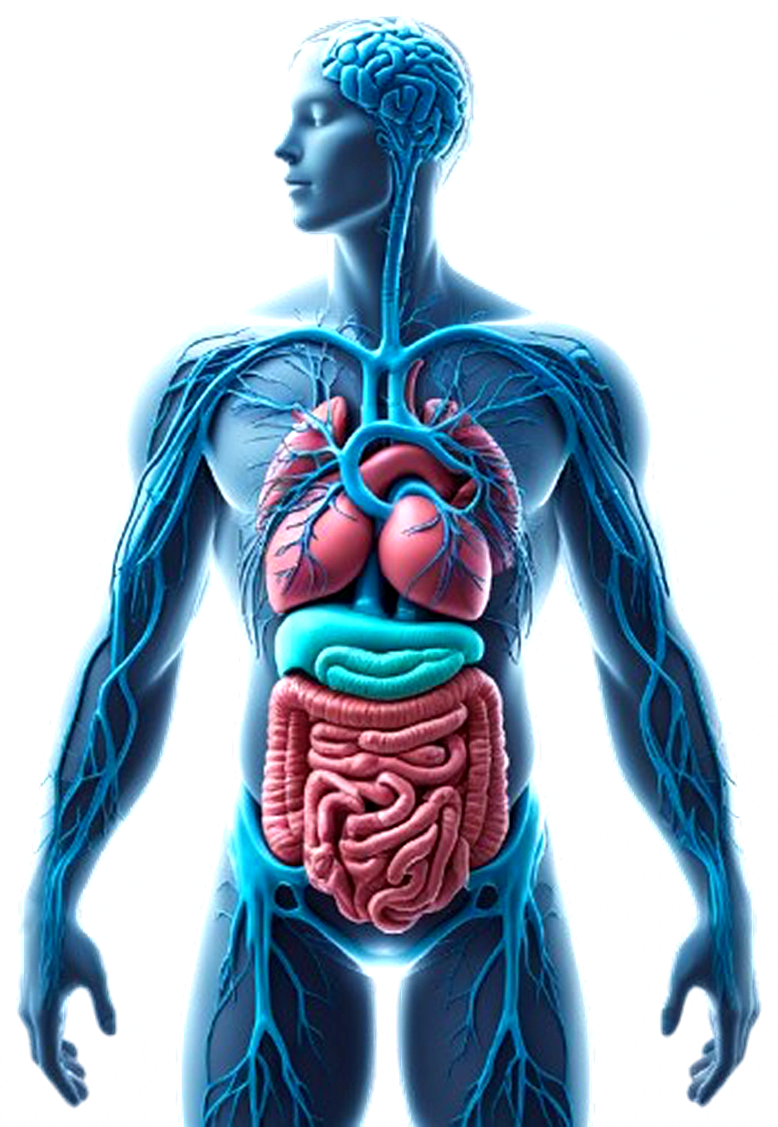
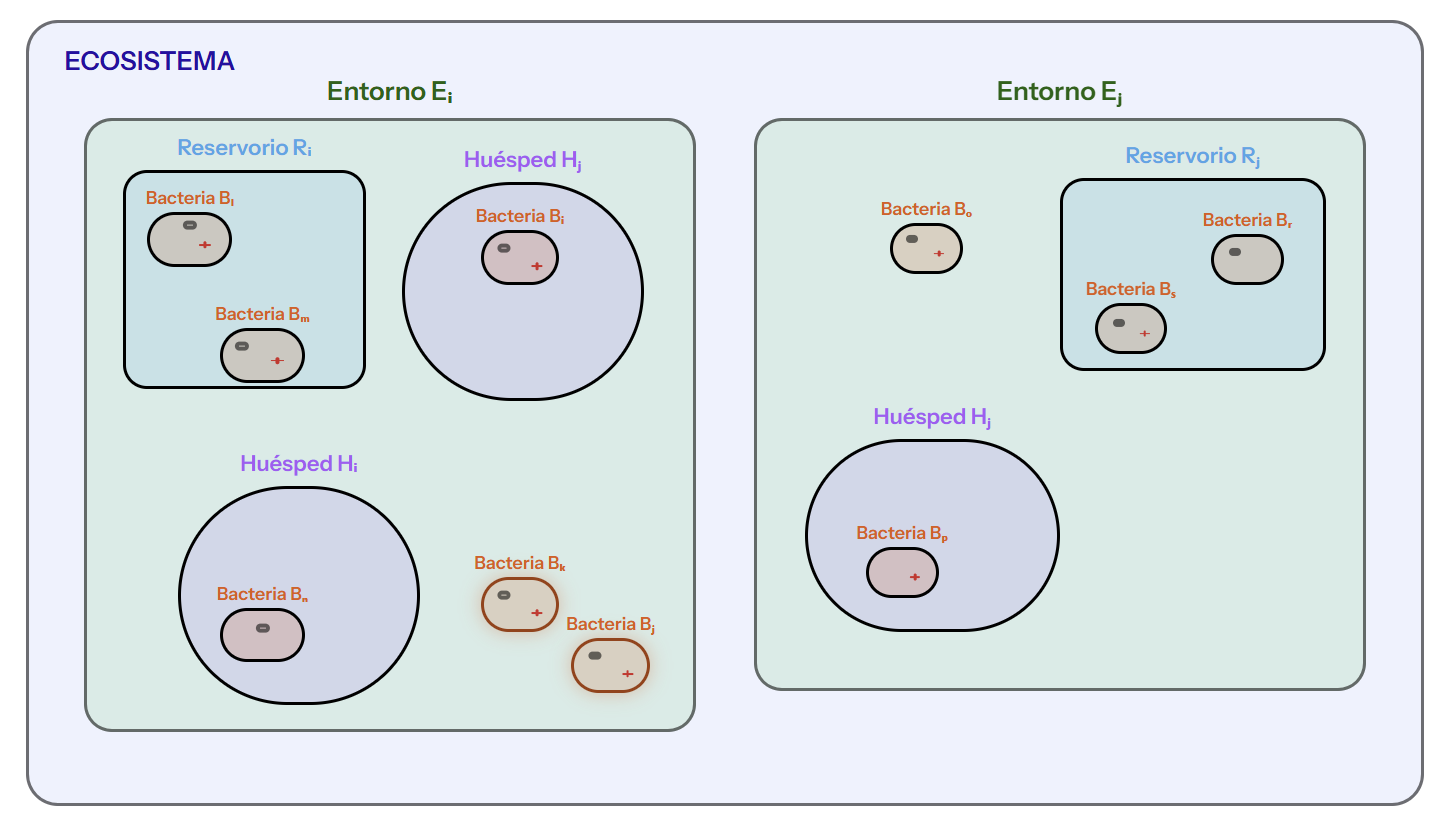
To build the simulators that recreate the digital twin of a given case, we use different technologies, with a special focus on Membrane Computing —a natural computing paradigm inspired by the organisation and functioning of biological systems. This approach allows the modelling of complex processes through dynamics with nested levels of complexity (molecular, cellular, tissue, individual, population, etc.), where phenomena occurring at one level can impact higher-level structures.
These approaches make it possible to explore highly diverse scenarios, evaluate responses to interventions, optimise complex systems in controlled and safe environments and generate detailed predictions that are impossible to achieve with traditional methods.
The systems we can model include: microbial resistance dynamics, genetic diseases, metabolic and immune responses to infections, drugs or vaccines, natural and social ecosystems, industrial processes, extreme weather phenomena (DANAs, earthquakes, wildfires), pandemics and epidemics, strategic defence scenarios and risk models, among many others.